Buying bitcoin for the first time can feel intimidating. There are dozens of platforms, unfamiliar terms, hidden fees and a steady stream of scams targeting newcomers. The good news is that the basic process is simpler than it looks, and a few precautions can keep you out of the most common traps.
This guide walks through how to buy bitcoin safely: how to choose a platform, what fees to watch for, how to secure your account and what to do after your purchase. It is educational, not investment advice, and cryptocurrency carries a high level of risk.
Step Zero: Decide Whether Bitcoin Fits Your Situation
Before buying, ask yourself some basic questions.
- Do I understand what I am buying? If you cannot explain in a sentence why you want it, spend more time learning.
- Can I afford to lose this money? Bitcoin can move dramatically up or down. Only use funds that will not affect your essential expenses.
- Do I have an emergency fund and no high-interest debt? Most financial planners suggest handling these first.
- What is my time horizon? Short-term trading is risky. Many long-term holders think in years.
Step One: Choose Where to Buy
Centralized exchanges
These are the most common entry point. Platforms like regulated exchanges let you link a bank account or card, buy bitcoin and often store it for you. They are generally easy to use and offer customer support, but they hold your keys, meaning you depend on the company.
Brokerage apps
Some investment apps and online brokers offer bitcoin purchases, often with simple interfaces and, in some jurisdictions, regulated products such as exchange-traded funds that track bitcoin without direct ownership.
Peer-to-peer marketplaces
These connect buyers and sellers directly. They can offer flexibility but carry more risk of fraud, so they are not recommended for beginners.
Bitcoin ATMs
Convenient but often expensive, with high fees and a history of use in scams. Treat them with caution.
Step Two: Evaluate a Platform’s Safety and Reputation
Check the following before creating an account.
- Regulation and licensing: Is the company registered or licensed in your jurisdiction? Verify with the relevant regulator.
- Track record: How long has it operated? Has it suffered hacks or withdrawal freezes? Search for independent news and reviews.
- Security practices: Look for two-factor authentication, cold storage for most customer funds and published security information.
- Proof of reserves or audits: Some exchanges publish evidence that customer assets are backed.
- Insurance or protection: Understand what is and is not covered. Crypto holdings are generally not covered by bank deposit insurance.
- Customer support: Check availability and responsiveness.
- Supported payment methods and countries.
Avoid platforms that promise guaranteed returns, pressure you to deposit quickly or contact you unexpectedly.
Step Three: Understand the Fees
Fees vary and can be confusing. Common ones include:
- Trading fees: A percentage of each transaction, often between a fraction of a percent and a couple of percent on simple buy buttons. Advanced trading interfaces tend to charge less than instant-buy features.
- Spread: The difference between the buy and sell price. Some platforms advertise no fees but include a spread.
- Deposit fees: Card purchases often cost more than bank transfers.
- Withdrawal fees: Charges for sending bitcoin to an outside wallet, including network fees.
- Network fees: Paid to miners and varying with congestion.
- Currency conversion fees if you fund your account in a different currency.
Compare the all-in cost, which is the difference between what you pay and the market price, not just the headline fee.
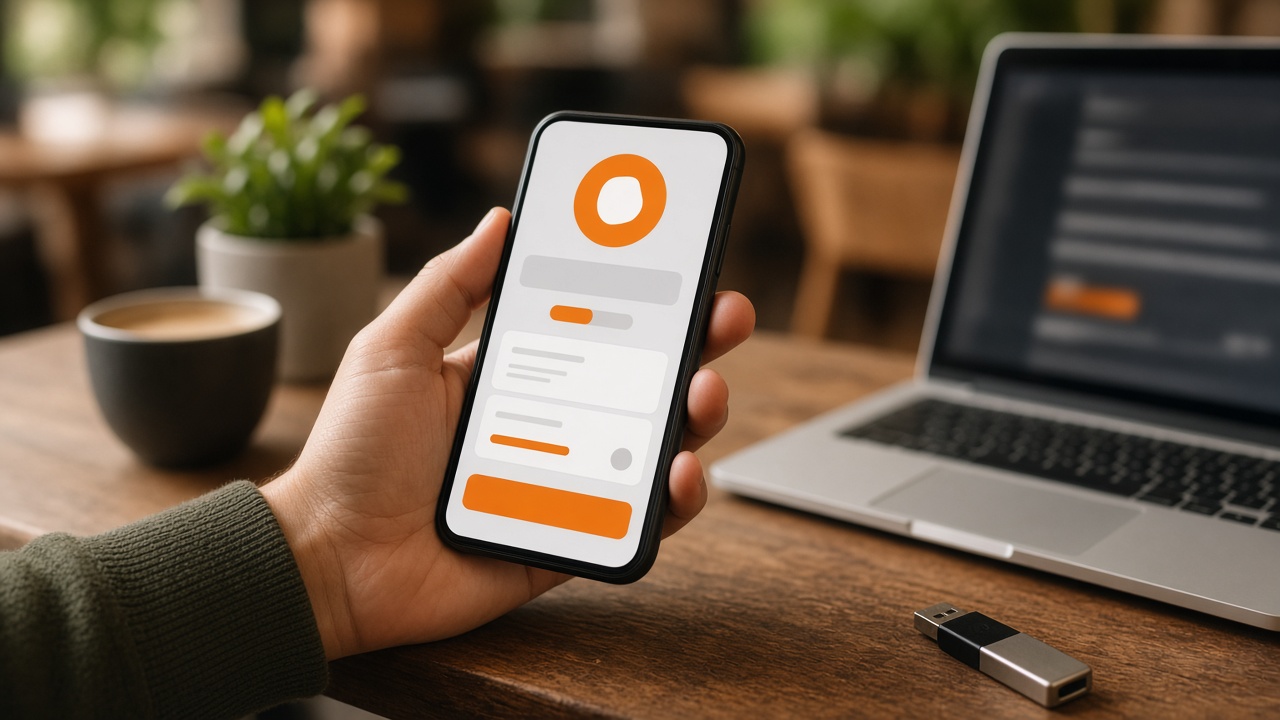
Step Four: Create and Secure Your Account
- Use a unique, strong password stored in a password manager.
- Enable two-factor authentication, preferably with an authenticator app or hardware key instead of SMS, which can be hijacked through SIM swapping.
- Use a dedicated email address for financial accounts, secured with its own two-factor authentication.
- Set up withdrawal allowlists and anti-phishing codes if offered.
- Verify your identity. Regulated exchanges require identity checks, known as know-your-customer procedures.
- Check the URL every time you log in and bookmark the correct site. Phishing sites imitate real ones.
Step Five: Fund Your Account and Make Your First Purchase
- Bank transfer: Usually the cheapest but slower.
- Debit or credit card: Faster but more expensive, and credit card purchases may be treated as cash advances with extra fees and interest.
- Wire transfer: Suitable for larger amounts.
Consider starting small. A modest first purchase lets you learn the process, test withdrawals and get comfortable without exposing a large sum.
Market orders vs. limit orders
A market order buys immediately at the current price. A limit order buys only at a price you specify, which can reduce costs but may not execute. Simple purchases are often market orders.
Step Six: Decide Where to Keep Your Bitcoin
- Leaving it on the exchange is convenient, especially for small amounts and active traders. The risk is that you rely on the platform’s security and solvency.
- Moving it to a personal wallet gives you control of your private keys. A hardware wallet, a dedicated device that stores keys offline, is considered one of the safest options for larger amounts.
If you use self-custody, test first by sending a small amount, confirm it arrives, and then transfer the rest. Back up your recovery phrase on paper or metal and store it securely offline. Never share it or type it into a website.
Step Seven: Keep Records for Taxes
In many countries, buying bitcoin is not a taxable event, but selling, trading or spending it may trigger capital gains or income tax. Keep records of:
- Date and time of each transaction
- Amount purchased and price
- Fees paid
- Wallet addresses and transfers
- Sales and uses
Many exchanges provide transaction histories, and crypto tax software can help. Consult a tax professional about your local rules.
Common Scams to Avoid
- Giveaway scams: Promises to double your coins if you send some first.
- Fake exchanges and apps: Lookalike sites or mobile apps that steal credentials or funds.
- Impersonation: Fraudsters posing as support staff, celebrities or romantic interests.
- Pig-butchering schemes: Long-con relationships that lead victims to invest in fake platforms.
- Phishing emails and messages with links to malicious sites.
- Guaranteed profit schemes and “signal groups.”
- Recovery scams targeting people who already lost money.
No legitimate company will ask for your password, recovery phrase or remote access to your computer.
A Simple Safe-Start Checklist
- Learn the basics and set a modest budget.
- Choose a reputable, regulated platform.
- Compare all-in costs.
- Secure your accounts with strong, unique credentials and two-factor authentication.
- Make a small first purchase.
- Decide on storage and back up your keys properly.
- Record transactions for taxes.
- Stay skeptical of unsolicited offers.
Final Thoughts
Buying bitcoin safely is less about finding a secret trick and more about careful habits: choosing a trustworthy platform, understanding fees, securing your accounts and starting small. Treat it like any serious financial decision, and you will avoid many of the mistakes that cost newcomers money.
This article is for educational purposes only and is not financial or tax advice. Cryptocurrency is volatile and may not be suitable for all investors.