At the peak of the NFT frenzy, pictures of cartoon apes sold for millions, celebrities changed their profile pictures and newspapers asked whether this was the future of art. Then prices collapsed, trading volumes dried up and many dismissed the whole idea as a bubble. Yet the underlying technology did not disappear, and developers, artists and brands continue to experiment with it.
This guide explains what non-fungible tokens are, how they work, what happened during the boom and bust, where real uses remain and what risks to understand. It is educational, not investment advice.
What Is an NFT?
A non-fungible token is a unique digital token recorded on a blockchain. “Fungible” means interchangeable, like dollar bills or bitcoin: one unit equals another. “Non-fungible” means each token is distinct and not interchangeable.
An NFT is typically created through a smart contract that follows a standard, such as Ethereum’s ERC-721 or ERC-1155. The token has a unique identifier and usually points to metadata, such as a name, description and a link to an image, video, audio file or other content.
What you actually own
This is the most misunderstood point. Owning an NFT means you control the token recorded on the blockchain. It does not automatically mean you own the copyright to the artwork, and it does not prevent others from copying or viewing the image. The rights depend on the license that accompanies the NFT, which varies widely. Some projects grant commercial rights to holders, while others give only a limited personal license.
Also, the file itself is often stored elsewhere. If the metadata points to a regular web server that goes offline, the token may point to nothing. Decentralized storage systems reduce this risk, but not every project uses them.
How NFTs Are Created and Traded
- Minting: A creator or project deploys a contract and mints tokens, often paying a gas fee.
- Listing: Tokens can be sold on marketplaces, either at a fixed price or through an auction.
- Trading: Buyers pay in cryptocurrency, and ownership of the token transfers on the blockchain.
- Royalties: Some contracts and marketplaces allow creators to receive a percentage of resales, though enforcement has varied by marketplace and has been contested.
The Boom and Bust
NFT sales exploded in 2021 and early 2022, driven by speculation, celebrity involvement, social status and easy money. Many projects launched with little substance, relying on hype, scarcity and community enthusiasm. When broader crypto markets fell and liquidity dried up, trading volumes and prices plunged. Many collections lost most of their value, and a large portion of NFTs became practically unsellable.
The episode revealed several problems: wash trading to inflate volumes, rug pulls where creators disappeared with funds, copyright infringement by minting other people’s art and speculative valuations unconnected to utility.
Where NFTs Still Matter
With the hype faded, several use cases remain interesting.
Digital art and creator economies
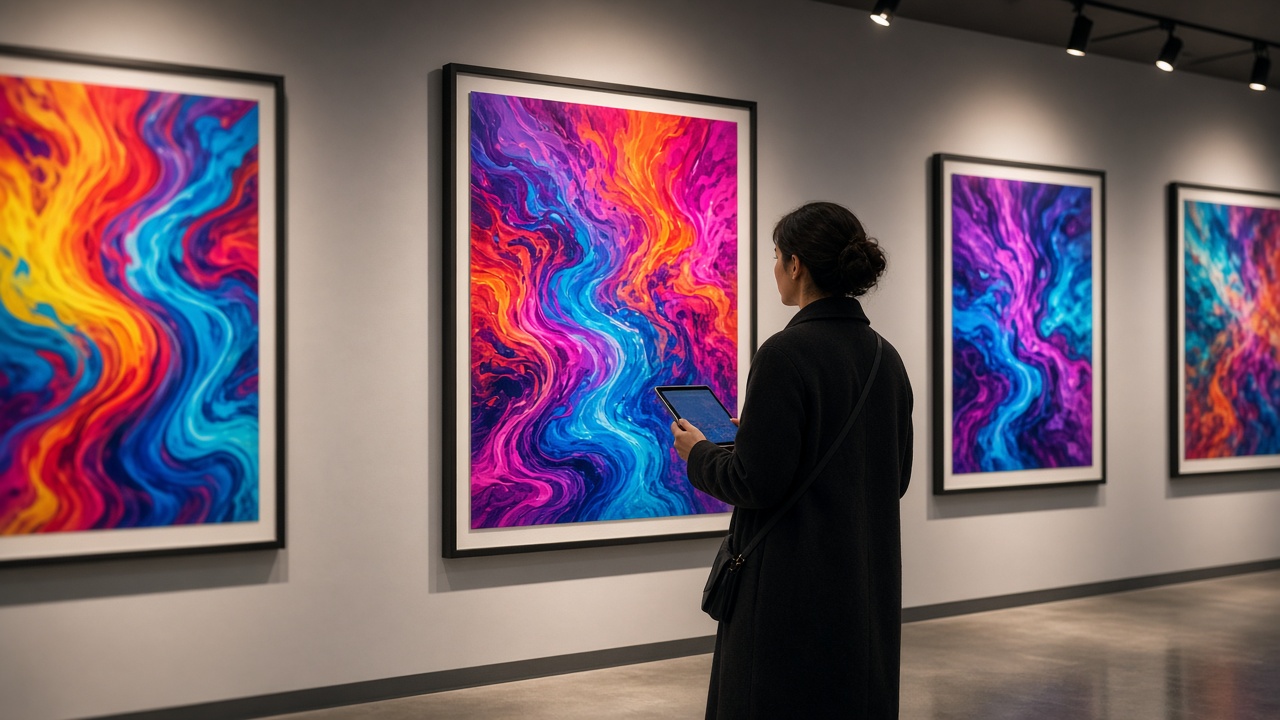
Artists can sell directly to collectors, experiment with generative art and potentially earn royalties. Some established artists and institutions continue to work with the technology, while many others criticize it. The market is smaller but more selective.
Gaming
In-game items can be represented as tokens that players truly own and, in some designs, trade outside the game. Adoption has been mixed. Some players dislike monetization, and game developers face regulatory and design challenges, but experiments continue.
Tickets and access
NFT tickets can reduce counterfeiting, allow controlled resale and give organizers a direct relationship with attendees. Tokens can also act as keys to communities, events or content, an approach known as token gating.
Memberships and loyalty
Brands can issue tokens that represent membership, perks or rewards, with benefits that holders can verify and sometimes trade.
Digital identity and credentials
Soulbound or non-transferable tokens have been proposed for certificates, attestations and reputation, though privacy and usability questions remain.
Domain names and digital assets
Blockchain naming systems issue names as tokens, which users can own and transfer.
Real-world asset representation
Some projects explore tokenizing ownership or provenance of physical goods like collectibles or real estate. Legal frameworks and enforcement remain challenges, because a token only matters if the underlying rights are recognized.
Provenance and authenticity
For luxury goods and collectibles, an on-chain record of origin may help verify authenticity, if it is securely tied to the physical item.
Risks for Buyers and Collectors
- Illiquidity: Many NFTs have no buyers. You may be unable to sell at any price.
- Volatility and speculation: Prices can fall sharply and often reflect trends rather than intrinsic value.
- Scams and fakes: Counterfeit collections, phishing links, fake giveaways and impersonation are widespread.
- Rug pulls: Developers may abandon projects after raising money.
- Wallet drainers: Malicious sites trick users into signing transactions that transfer their assets.
- Fraudulent listings and wash trading: Fake volume can make a collection look more popular than it is.
- Copyright and legal uncertainty: Rights are unclear, and regulatory treatment is evolving.
- Platform and storage risk: Marketplaces can close, and metadata can disappear if hosted poorly.
- Environmental concerns: Largely addressed on networks using proof of stake, but still part of the public conversation.
- Taxes: Sales and trades may be taxable events.
Risks for Creators
- Plagiarism and copycats of your work
- Royalty enforcement that depends on marketplaces
- Gas costs and platform fees
- Community management and legal responsibility if you promise utility
- Securities law concerns if marketing resembles an investment offering
How to Evaluate an NFT Project
- Define why you are buying. Art you love, access to a community, a game item or speculation?
- Research the creator or team. Check their track record and verify official links through multiple sources.
- Read the license to understand your rights.
- Check where the content is stored and how metadata is handled.
- Review the smart contract and look for audits or independent analysis, especially for larger purchases.
- Assess liquidity. Look at actual sales, not just floor prices or listings.
- Be skeptical of promises of future utility, roadmaps and guaranteed returns.
- Evaluate the community for authenticity, not just size.
- Start small, and never spend money you cannot afford to lose.
Safety Tips for Using NFTs
- Use a separate wallet for minting and interacting with new projects
- Keep valuable NFTs in a hardware wallet
- Verify URLs from official sources and avoid clicking links in direct messages
- Read every signature request carefully, and reject anything unclear
- Revoke old approvals for marketplaces and contracts you no longer use
- Never share your seed phrase
- Beware of unsolicited offers and urgent time limits
Final Thoughts
NFTs are a technology for proving and transferring ownership of unique digital items. The speculative mania of 2021 did not prove their value, and the crash did not erase their potential. The most promising uses focus on practical benefits like access, authenticity and creator-fan relationships. If you explore them, treat them as experimental, understand what you are actually buying and avoid hype.
This article is educational only and not financial or legal advice. NFTs are speculative and illiquid, and you may lose the entire amount you spend.